

Who I am as a Leader
I am a relationship-centered leader who believes that people are the heart of every successful organization. Throughout my career, I have been drawn to opportunities that allow me to build meaningful connections, strengthen communities, and create environments where others can thrive. I lead with curiosity, empathy, and purpose, seeking first to understand the needs of those around me before developing thoughtful and strategic solutions.
My leadership style is collaborative and mission-driven. I believe the most effective leaders are those who listen well, communicate clearly, and inspire others to work toward a shared vision. Whether leading a project, building community partnerships, or developing strategic communications initiatives, I strive to bring people together in service of something greater than themselves.
My Leadership Philosophy
I believe leadership is not about position or authority, it is about stewardship. Great leaders create opportunities for others to succeed, foster trust through authentic relationships, and remain committed to the mission they are called to serve.
My leadership philosophy is grounded in three principles:
1. Lead with purpose.

2. Build relationships with intention.

3. Serve others with humility.

To me, advancement is about much more than fundraising—it is about building relationships that strengthen a community and advance a mission that changes lives.
Every gift represents a story. Every donor, volunteer, parent, alumnus, and community partner chooses to invest because they believe in the organization’s mission and its potential to make a meaningful difference. Advancement professionals have the privilege of connecting people to that mission in authentic and impactful ways.

My professional experiences in communications, marketing, community engagement, and strategic relationship-building have shown me the power of storytelling and stewardship. I am passionate about helping people understand the impact of their investment and creating opportunities for them to become lifelong champions of an organization they love.
When advancement is done well, it creates a culture of generosity, belonging, and shared purpose. That is the kind of advancement work I am excited to lead.
I could have gone back to Microsoft or Amazon for that matter, but I am fairly certain Jeff Bezos and Bill Gates have enough money in their bank accounts.

Servant leadership is the foundation of how I lead both professionally and personally. I believe leaders are called to serve, not to be served.
My commitment to servant leadership means approaching every opportunity with humility, integrity, and a desire to elevate others. It means listening before leading, empowering others to contribute their talents, and celebrating collective successes over individual accomplishments.
As a leader, I seek to create environments where people feel welcomed, valued, and inspired to engage. Whether working with colleagues, students, parents, volunteers, donors, or community partners, I believe every interaction is an opportunity to build trust and strengthen relationships.
I strive to lead in a way that reflects kindness, accountability, and stewardship, recognizing that leadership is ultimately about the positive and lasting impact we have on others.
Seeing Potential Beyond the Assignment
One of the most meaningful experiences of my life didn’t happen in a boardroom or during a strategic planning session. It happened sitting beside an elementary school student with a workbook and a language barrier between us.
While volunteering with Project GRAD in Houston, I tutored students in reading at an inner-city elementary school. About a month into the school year, a new student joined our class. Although he was old enough to be in fifth grade, he had been placed in a third-grade classroom because he spoke very little English. I was asked to work with him and teach him enough English to understand basic classroom directions.
That was the assignment.
But I believed he deserved more than simply learning how to follow directions.
Over the course of the school year, we worked together every week. He learned to understand his teacher’s instructions, began recognizing and reciting the alphabet in English, and slowly became more confident communicating with his classmates. We celebrated every small victory along the way.
One day, I told him that my father had learned much of his English by watching 1950s sitcoms, which explained why some of his expressions sounded delightfully old-fashioned. He laughed and decided television might not be such a bad teacher after all. He began watching television whenever he could and eventually found YouTube videos that helped him continue practicing English outside of school.
Then one day, I heard him walk up to another student and confidently say, “Hey, man!”
It’s difficult to explain why those two simple words meant so much to me. He wasn’t practicing a lesson or responding to a question. He was simply being a kid, connecting with another student without fear or embarrassment.
In that moment, I realized that what we had been building together wasn’t simply language acquisition. It was confidence. It was belonging.
That experience has remained with me throughout my career because it fundamentally shaped how I think about leadership. Whether I am working with students, colleagues, volunteers, or community partners, I believe leadership begins by seeing potential in people—sometimes before they are able to see it themselves.
I’ve learned that people are capable of extraordinary things when someone takes the time to invest in them, encourage them, and create opportunities for them to grow. The greatest leaders I’ve known don’t simply accomplish goals; they help others discover what they are capable of becoming.
For me, leadership has always been about people first. The strategies, plans, and initiatives matter tremendously, but they are ultimately in service of something much greater—the opportunity to change lives.
Sometimes that transformation begins with two simple words: “Hey, man.”
I am deeply inspired by organizations whose work extends beyond their products or services and exists to transform lives. Mission-driven organizations have the unique opportunity to cultivate purpose, foster belonging, and create meaningful impact within their communities.
Catholic education exemplifies these values. It is rooted in academic excellence, faith, service, and the development of the whole person. Catholic schools do more than educate students, they shape compassionate leaders, strengthen families, and build communities grounded in shared values and service to others.
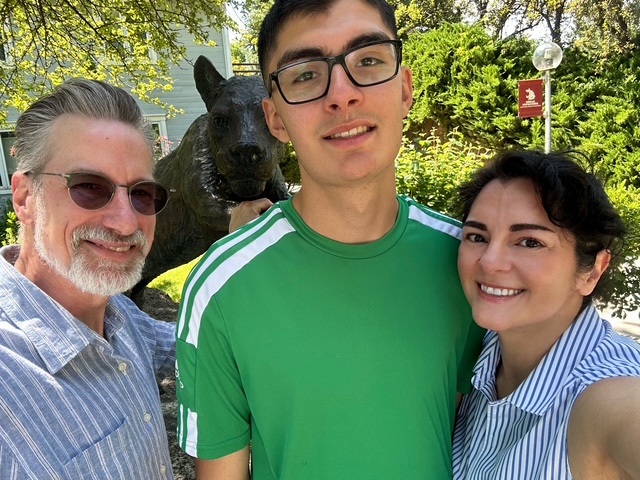
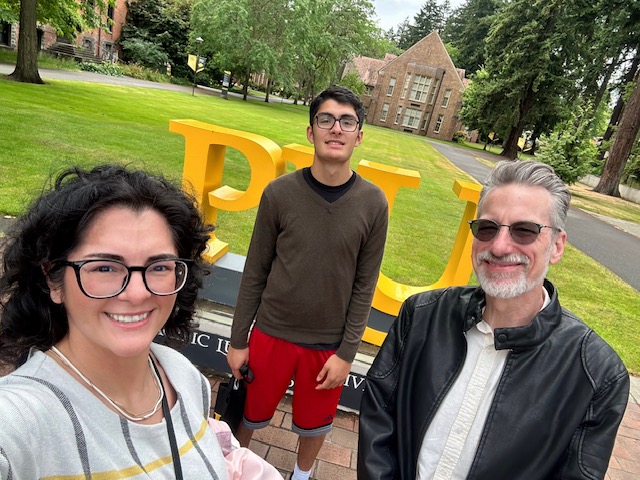
As a parent, I have witnessed firsthand the transformative power of mission-driven education. Watching my own child flourish in an environment that values both character and scholarship has reinforced my belief in the importance of investing in educational communities that nurture students intellectually, spiritually, and personally.
I am passionate about helping mission-driven organizations tell their stories, engage their communities, and build the relationships necessary to sustain their impact for generations to come. It would be both a privilege and a responsibility to contribute my leadership, experience, and heart to an organization whose mission aligns so closely with my own values.